Homeowner's Guide to knowing when your air ducts need cleaning
Homeowner's Guide to knowing when your air ducts need cleaning
Blog Article
Air Vent Cleaning: Breathe Easier With These Crucial Tips
Air duct maintenance is vital to maintaining a healthy indoor environment. It removes dust, allergens, and pollutants that can compromise air quality. Recognizing when ducts require attention is vital for optimum HVAC performance. Homeowners typically overlook the tools and techniques required for effective cleaning. Understanding these aspects can greatly impact comfort levels and energy efficiency. What steps should one execute to guarantee cleaner air and a more efficient system?
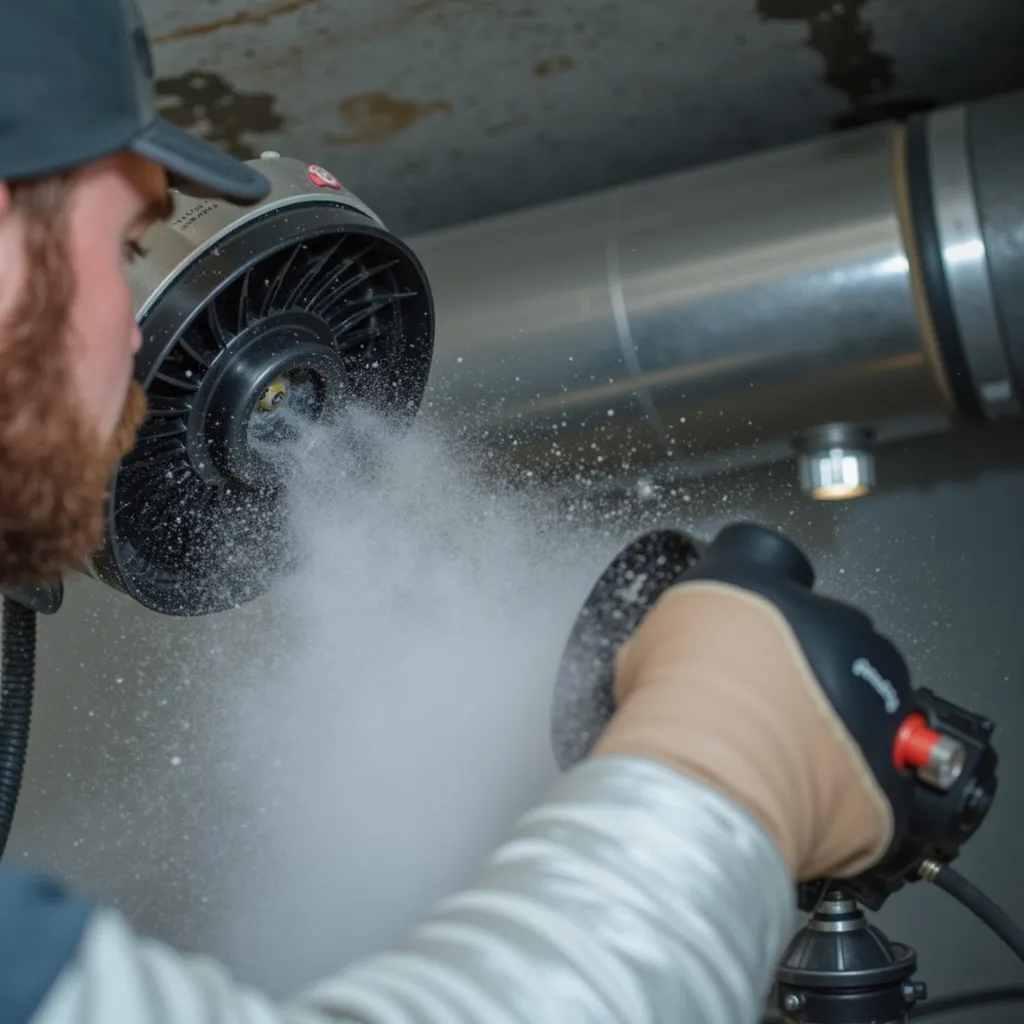
How Air Duct Maintenance Benefits Your Physical Health
Air duct cleaning improves air quality indoors, creating better wellness for residents. Over time, allergens, pollutants, and dust accumulate within the ductwork, moving throughout the air. This accumulation can aggravate health problems, respiratory issues, and allergies. By eliminating these impurities, air duct cleaning reduces the likelihood of airborne diseases and promotes a more salubrious home setting.
Furthermore, clean air ducts can strengthen the output of heating and cooling systems, resulting in more reliable temperatures and lower energy consumption. This plays a role in overall ease while also limiting exposure to harmful substances that can be released when systems are inadequately maintained.
Consistent upkeep of air ducts guarantees that fresh, clean air flows throughout the home, boosting better sleep, elevated energy levels, and overall wellness. Ultimately, maintaining clean air ducts is a essential step in safeguarding the health of all occupants.
Signals Your Ducts Need Cleaning?
Regular servicing of air ducts is important for preserving a healthy living environment. Homeowners should remain watchful for several red flags indicating that duct cleaning is required.
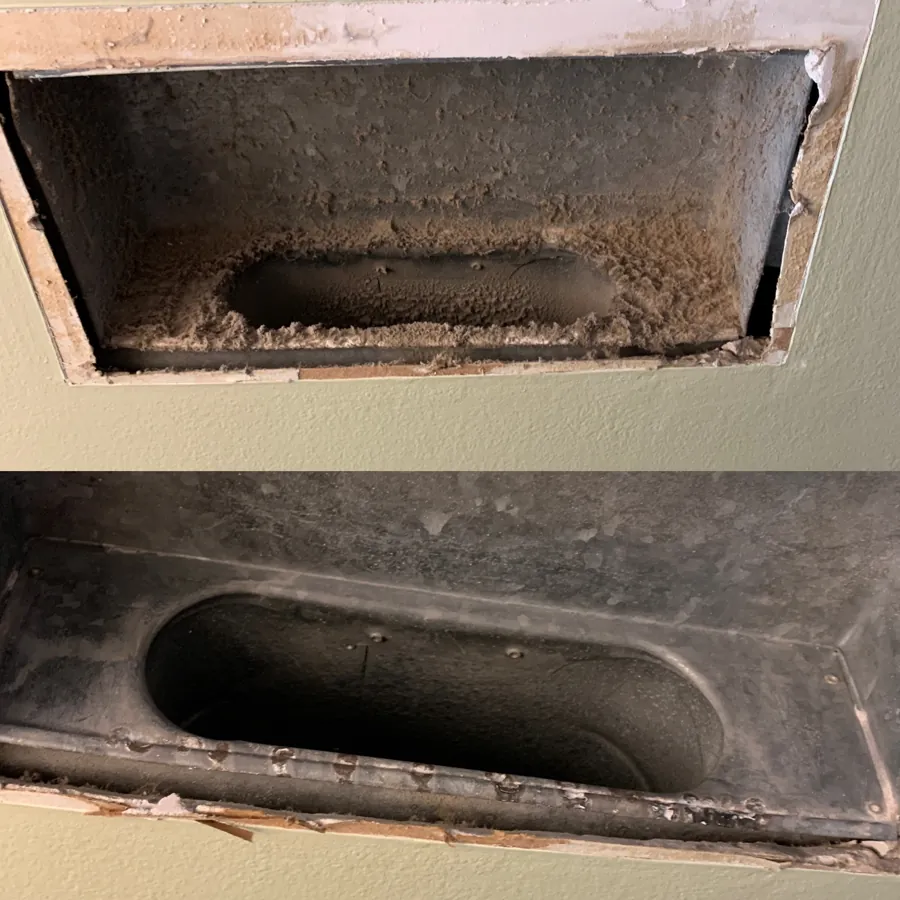
One key sign is visible dust or debris around vents or the air filter, suggesting buildup dirt within the ducts. In addition, if occupants encounter increased allergy symptoms, such as sneezing or congestion, it may indicate that pollutants are circulating in the air.
Foul scents issuing from vents may also point to fungal growth or stagnant debris. Moreover, if the HVAC system is running poorly, requiring frequent repairs or causing inconsistent temperatures, dirty ducts could be the culprit.
Finally, a jump in power bills might point to a blocked system experiencing difficulty pushing air through. Spotting these warning signs can help confirm regular cleaning and keep excellent indoor air quality.
DIY Air Duct Cleaning Tools You Need
Maintaining clean air ducts requires the proper equipment to guarantee successful DIY maintenance. Essential tools for this job consist of a vacuum equipped with a HEPA filter, which traps small particles and allergen particles.
A set of cleaning brushes, specially crafted for duct cleaning, helps remove dirt and particles from the duct walls. Furthermore, a light source is essential for inspecting shadowy spaces in the ducts, guaranteeing complete cleanliness.
Protective gear, such as hand protection and a dust mask, is important to maintain safety while dealing with dust and potential contaminants. A set of screwdrivers is also essential for taking off vent covers and access panels.
Finally, damp cloths can be utilized to clean vent areas following completion. Together, these devices develop a detailed kit for anyone planning to perform air duct cleaning in an effective and safe manner.
Obtain Necessary Tools
Obtaining the right tools is essential for an successful air duct cleaning process. A superior vacuum cleaner with a HEPA filter is vital for removing dust and allergens.
A collection of cleaning tools, including a long-handled duct brush, assists in removing debris from the duct walls. Flexible duct cleaning rods can extend reach and enable access to hard-to-reach areas. Also, having a flashlight allows for thorough examination of the ducts' interiors.
Protective gear, like gloves and masks, guarantees safety while cleaning. Finally, a step ladder may be necessary for reaching higher vents.
Make Your Space Prepared
A well-prepared space is essential for an productive air duct cleaning procedure. First, the area around vents should be vacated of items and obstructions to allow for easy access. This helps avert any damage to belongings and confirms a detailed cleaning.
Next, property owners should seal supply vents with plastic sheeting to contain dust and debris during the process. It is also recommended to turn off the HVAC system to avoid circulating contaminants.
Finally, positioning a vacuum equipped with a HEPA filter in close proximity can help trap any particles dislodged during cleaning. By implementing these measures, individuals create an ideal environment that enables effective air duct cleaning and improves overall results.
Clean Ducts Thoroughly
Before starting the air duct cleaning service, it's critical for homeowners to understand the progressive methodology that provides thoroughness and effectiveness.
First, one should gather required equipment, including a vacuum, brushes, and microfiber cloths. Next, turn off the HVAC system to ensure safety.
Afterwards, detach the vent covers and wash them with warm soapy water. Using a vacuum, cautiously remove dust and debris from the ducts. For deeper cleaning, apply duct brushes to remove stubborn particles.
After cleaning, reinstall the vent covers and replace the air filter. Finally, switch the HVAC system back on and inspect for any unusual sounds.
Picking a Qualified Air Duct Sanitizing Service
How can one secure that they choose a trustworthy air duct cleaning service? First, it is vital to research potential providers carefully. Reviewing for certifications, such as those from the National Air Duct Cleaners Association (NADCA), confirms clients of compliance to industry standards.
Next, obtaining multiple estimates allows for a evaluation of services and pricing. A reliable company will perform a thorough assessment before providing an quote, steering clear of any deceptive budget offers.
Also, question the cleaning methods and equipment used; a reputable service will apply advanced tools and techniques.
Lastly, verify the company maintains sufficient insurance and is certified, documentation protecting clients from unforeseen damages.
How to keep clean Air Ducts Year-Round
Keeping air ducts clean continuously is necessary for securing superior indoor air quality and system efficiency. Periodic inspections are essential; homeowners should check ducts for debris and dust deposits several times per year.
Using high-efficiency air filters can significantly decrease contaminants, as these filters capture smaller debris that standard filters might overlook. It is advisable to change these filters every three months minimum or as suggested by the maker.
In addition, lowering indoor pollutants can facilitate upholding duct purity. This includes constraining activities producing dust, such as smoking or using certain candles, and confirming proper ventilation when using cleaning products.
Consistent cleaning of the home, including vacuuming and wiping, helps minimize the amount of dust that could infiltrate the ducts. Finally, scheduling a professional cleaning every few years can additionally ensure that air ducts stay clear of dangerous accumulation, fostering a improved indoor habitat.
Air Duct Maintenance: Costs vs. Benefits
Assessing the monetary considerations of air duct cleaning delivers key insights for homeowners. The initial outlay commonly ranges from $300 to $1,000, determined by factors like the size of the home and the complexity of the duct system.
Though this can appear substantial, the possible gains often exceed the costs. Clean air ducts can enhance indoor air quality, decreasing allergens and irritants. This may cause fewer respiratory issues and lower healthcare costs over time.
Furthermore, a spotless ductwork can enhance HVAC efficiency, possibly lowering energy bills by 10-30%. Homeowners should also think about the lifespan of their HVAC systems.
Regular cleaning can stretch the working life of the machinery, cutting down on the need for premature substitutions. At the end of the day, weighing the starting expenses against sustained health benefits and energy efficiency can support property dwellers render informed decisions regarding air duct maintenance.
Common Questions Asked Regularly
How Regularly Do I Need to Clean My Air Ducts?
Specialists recommend servicing your air ducts every 3 to 5 years. However, factors such as pets, allergies, or recent renovations may necessitate more regular maintenance. Regular upkeep guarantees superior air quality and peak efficiency for maximum performance.
Should I Clean My Air Ducts Without Hiring Professionals?
While you can clean ducts without professional help, DIY methods may not accomplish complete cleaning. Proper tools and techniques are essential for effective cleaning, making professional assistance often a more reliable choice for superior air quality.
What Are the Dangers of Contaminated Air Ducts?
Contaminated air ducts may result in inadequate indoor air quality, increasing allergens and pollutants. This can lead to respiratory issues, allergies, and overall discomfort. Additionally, built-up particles can impede HVAC efficiency, raising energy costs.
Do Air Duct Sanitation Services Offer Warranties?
Many ductwork maintenance services do provide guarantees, affirming customer satisfaction. These guarantees often cover the standard of workmanship, presenting reassurance that the service will comply with established criteria and address any issues that manifest post-cleaning.
Should You Invest in Air Duct Cleaning?
Spending on cleaning your air ducts can prove advantageous, as it boosts the quality of air inside your home, enhances HVAC efficiency, and may extend system lifespan. Homeowners often experience clear benefits, making it a wise choice for many.
Report this page